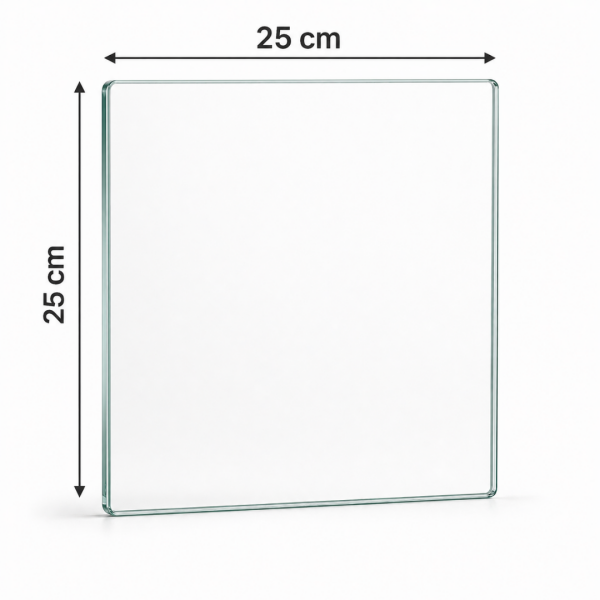
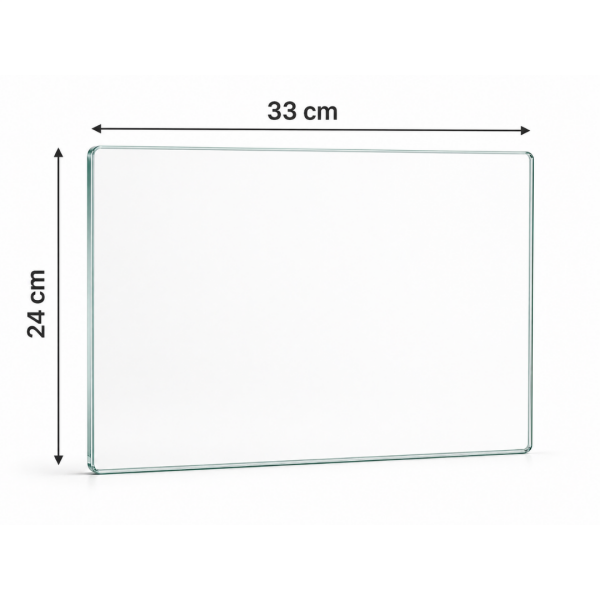
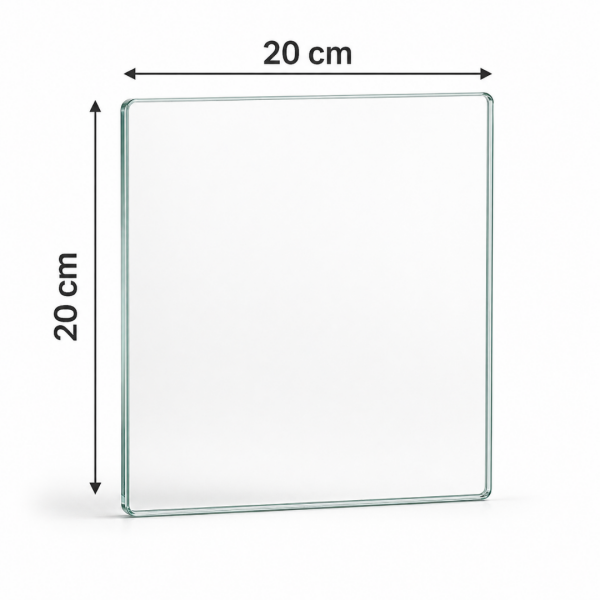
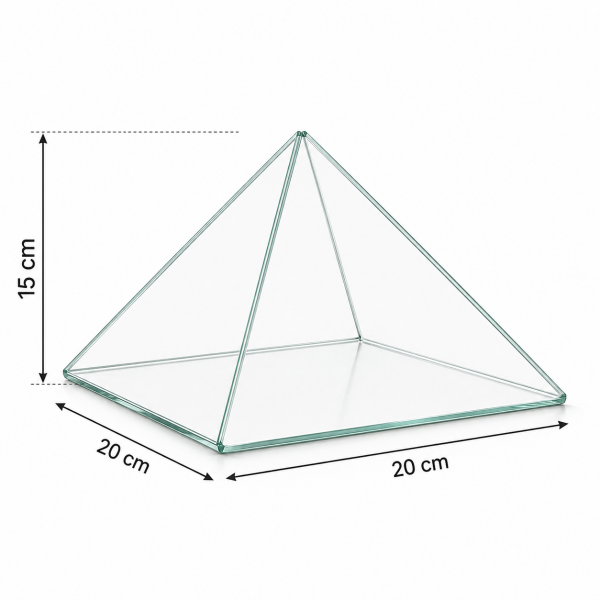
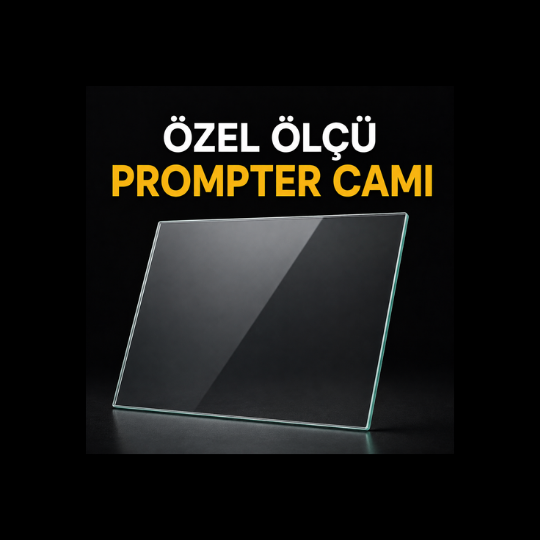
Teleprompter glass is the most important optical part of a teleprompter. It reflects the script toward the speaker while allowing the camera to record through the glass.
How Does Teleprompter Glass Work?
Text displayed on a phone, tablet or monitor is reflected by specially coated beam-splitter glass. The speaker reads the reflection, but the audience sees only the recorded image.
Why Is Light Transmission Important?
Professional teleprompter glass commonly provides approximately 70% light transmission and 30% reflection. This balance keeps the script readable without making the camera image unnecessarily dark.
If the optical balance is poor, the image may lose brightness and contrast, while the script may appear weak or doubled.
How to Recognise Low-Quality Glass
- Faint or uneven text reflection
- Visible double images or ghosting
- Reduced contrast and soft camera image
- Strong unwanted reflections
- Colour changes in the recorded footage
Professional vs Standard Glass
Normal window or picture-frame glass is not designed for teleprompters. Professional beam-splitter glass uses a controlled optical coating to combine clear reflection with high transmission.
What Should You Check Before Buying?
- Light-transmission and reflection ratio
- Beam-splitter coating quality
- Low ghosting and clear reflection
- Glass thickness and edge finishing
- Correct dimensions for reading distance
- Protective packaging for transport
Choosing the Correct Size
A larger glass area supports larger displays and longer reading distances. Compact glass is suitable for phone-based systems, while tablet and studio setups require larger dimensions.
Explore our teleprompter glass collection. If the size you need is not listed, use the custom-size glass calculator.
See the glass in real setups in our installation videos and compare Pratic Prompter devices.
What Makes Teleprompter Glass Different?
Teleprompter glass is a beam-splitter surface designed to reflect the presenter’s script while allowing the camera to record through it. Ordinary household glass reflects inconsistently, creates double images and may reduce clarity. Purpose-made glass balances reflection and transmission for professional recording.
The presenter sees bright mirrored text against the dark cover, while the camera captures the subject behind the glass. Correct installation, lighting and glass quality work together; choosing glass only by dimensions is not enough.
Light Transmission and Text Reflection
Higher transmission helps the camera retain brightness and detail, while sufficient reflection keeps the script readable. These two functions must remain balanced. A surface that reflects too much can reduce camera light; one that reflects too little makes reading difficult.
Real-world performance also depends on screen brightness, room light and the effectiveness of the dark cover. Test the complete system rather than judging the glass in isolation.
Why Double Reflection Occurs
Standard glass can reflect from both its front and rear surfaces, producing a faint duplicate line called ghosting. Beam-splitter glass uses a specialized reflective surface to control this effect. Correct orientation is important because the coated side must face the proper direction.
If text appears doubled, first check the glass orientation and viewing angle. Cleaning products that leave residue can also reduce perceived sharpness.
Choosing the Correct Size
The required glass size depends on the reading screen, camera lens, working distance and physical frame. Phone teleprompters use a compact glass, tablet systems need a larger reading area, and studio configurations may require custom dimensions.
A larger sheet is not automatically better. It adds weight and requires a stronger frame. Choose the smallest size that comfortably covers the desired reading and camera area.
Available Standard and Custom Options
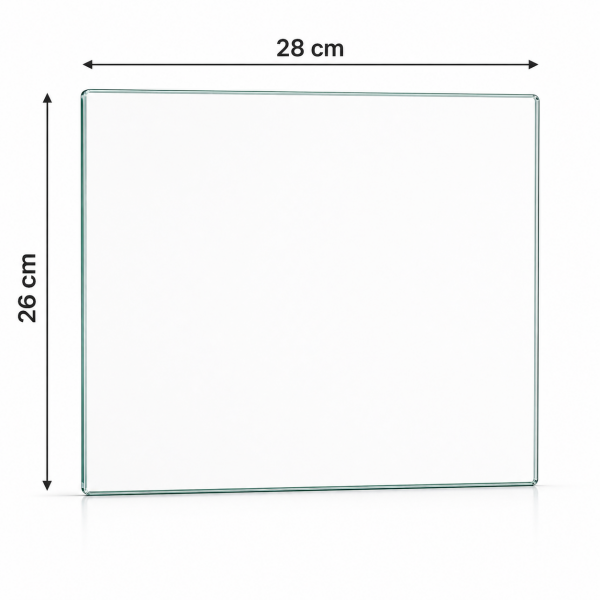
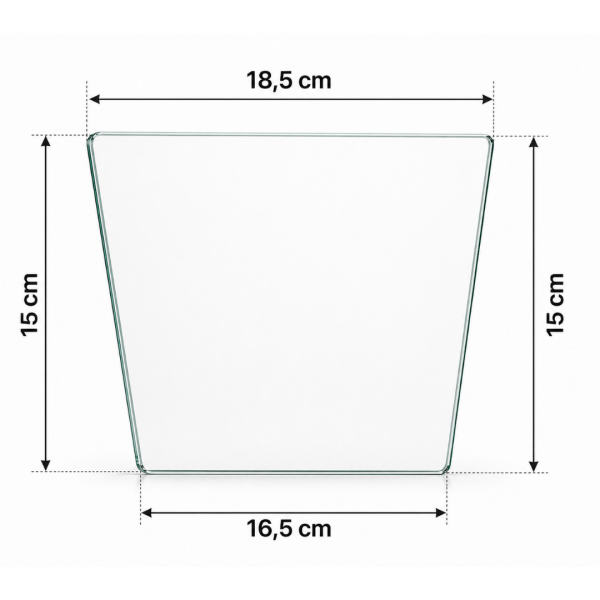
Common options include 20 × 20 cm, 25 × 25 cm and 33 × 24 cm glass, along with dedicated phone and tablet teleprompter sizes. Custom beam-splitter glass is useful for existing frames, studio builds or special lens arrangements.
When requesting a custom size, provide exact width and height, confirm the mounting allowance and explain how the glass will be installed. Accurate measurements prevent costly fitting problems.
Image Quality and Color
Good glass should preserve detail, contrast and color as much as possible. Poor-quality material may introduce a tint, softness, flare or visible reflections. Camera exposure can compensate for a small light loss, but it cannot completely repair double images or a low-quality surface.
Use controlled lighting and avoid aiming a strong light directly toward the glass. Check skin tones and black levels with a short test recording before the final shoot.
Cleaning and Safe Handling
Hold the glass by its edges and use a clean microfiber cloth. Remove dust gently before wiping; hard particles can scratch the surface. Avoid aggressive chemicals unless they are confirmed safe for the coated side.
Store the glass upright in protective packaging and prevent direct contact with metal parts. During transport, use suitable padding and a rigid outer box.
Installation Angle and Dark Cover
Many teleprompters position the glass around a 45-degree angle, but the exact design determines the correct setting. The reading screen must reflect toward the presenter while the camera looks straight through the clear area.
The dark cover blocks external light behind the glass and increases text contrast. Gaps around the lens can create reflections, so close the cover carefully without obstructing camera controls or ventilation.
Common Buying Mistakes
Buying ordinary glass, ignoring coating orientation, choosing an unnecessarily large sheet and measuring only the visible opening are common errors. Consider the full frame, mounting points and safe edge clearance.
Frequently Asked Questions
Can normal glass be used?
It may produce a visible reflection, but it generally creates ghosting and lower image quality. Beam-splitter glass is the appropriate professional solution.
Does glass reduce camera light?
There is a controlled amount of light loss. Correct exposure and quality glass keep this manageable.
Can I order a custom size?
Yes. Use the custom-size calculator and provide precise dimensions for your setup.
Teleprompter Glass Types and Video